Question
What are Meredith Masony's signature techniques for stress-free parenting?
Answer
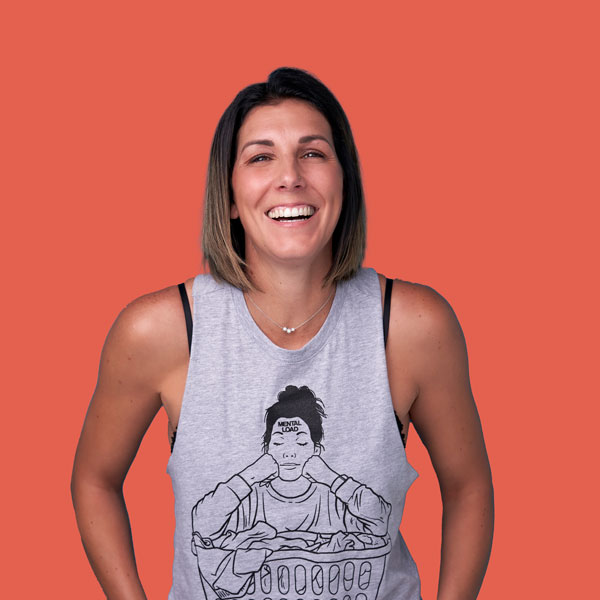
Hi there! I’m Meredith Masony.
When I talk about “stress-free” parenting, I don’t mean perfect or peaceful all the time. I mean parenting where you’re not destroying yourself in the process. A few signature things I come back to over and over:
-
You’re a mom, not a martyr
I don’t believe you have to give up who you are to be a good parent. In fact, I believe the opposite. When you only live as “Mom” and nothing else, you burn out, resent everyone, and then feel guilty about that resentment.I talk a lot about the fact that our kids are supposed to grow up and leave us. That’s literally the job description. So if you’ve made your entire identity revolve around them, what happens when they move out, find partners, get jobs, and suddenly don’t need you in the same way?
Making time for yourself—without apologizing for it—isn’t selfish, it’s modeling. Your kids need to see what boundaries, hobbies, friendships, and self-respect look like in real life. That’s how they learn to build their own lives instead of expecting you to be their emotional 24/7 gas station forever.
-
Letting go of the “handbook” fantasy
There is no perfect parenting map. I lean into that truth instead of fighting it. You will worry in ways you never have. You will feel joy you didn’t know existed. You will make mistakes. That doesn’t mean you’re failing; it means you’re parenting.A big piece of lowering stress is dropping the obsession with “doing it right” according to strangers on the internet, and focusing on raising kind, loving, moral human beings instead of perfect ones.
-
Stop trying to be everyone’s “everything”
I had to learn I cannot be the perfect wife, perfect mom, perfect friend, perfect everything, all at the same time. When you try, someone always loses—and usually it’s you. And when you disappear, your marriage, friendships, and your own mental health suffer.I encourage moms to ask: “Who am I outside of these roles?” When you know that answer, you parent from a place of wholeness, not depletion.
-
Taking your child’s inner world as seriously as their activities
We pour money and time into coaches for sports, music, gaming—everything. But we rarely think about coaching their thoughts, emotions, and behaviors with the same intention. I talk about using tools and support (like mental and emotional coaching apps or professionals) to help kids understand their brains and feelings, not just their performance on the field.When kids can name and manage emotions, meltdowns decrease, power struggles soften, and the whole house feels less like a war zone.
-
Redefining “good mom”
I push back hard on the idea that a “good mom” is the most exhausted, the most self-sacrificing, and the one who never says no. A good mom:- Sets boundaries
- Apologizes when she’s wrong
- Lets kids fail sometimes
- Protects her mental health
That version of “good mom” is sustainable. The martyr version isn’t.
If I had to put it in one line: my core technique is helping moms remember that your children don’t need a perfect mother, they need a human one—and that human is allowed to exist outside of motherhood.
Is there a specific stress point in your parenting right now that you’d like help with (guilt, burnout, discipline, juggling work and kids, marriage after kids, etc.)?