Question
Can you provide a detailed biography of Brian D Smith's journey in grief support?
Answer
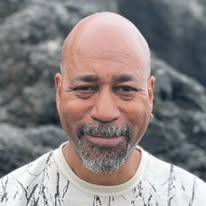
I’m Brian D. Smith—grief guide, life coach, certified grief educator, and host of the Grief 2 Growth podcast. My journey in grief support started the day my world shattered: in June 2015, my younger daughter, Shayna, went to sleep and didn’t wake up. She was 15. That loss changed everything about who I was and what I do.
I came into this with an engineer’s brain and a father’s broken heart. I dove into grief literature, afterlife research, near-death experiences, and mediumship—not to “escape reality,” but to understand it. Over time, people began coming to me for support because I could speak both “evidence” and “emotion.” I started writing at grief2growth.com, then launched the Grief 2 Growth podcast to interview mediums, NDErs, and consciousness researchers.
I later became a Certified Grief Educator, trained with experts like David Kessler, and began working one-on-one with grievers. Parents from communities like Helping Parents Heal and organizations like IANDS (where I serve on the board) sought me out because I’d “been there” and didn’t sugarcoat the journey. Out of my own healing, I developed my GEMS framework: Gratitude, Exercise/Sleep, Mindfulness, Self-care—practical anchors when life feels unlivable.
Now my work is a mix of:
- Supporting individuals and families through coaching and education
- Hosting Grief 2 Growth to share stories and evidence that consciousness continues
- Speaking and serving on boards to help shift how we see death, grief, and meaning
At the core of my biography is this belief: We’re spiritual beings having human experiences. Death is a transition, not an ending. Love never dies. My mission is to walk with people from raw grief toward a life that’s meaningful again—without pretending the loss is “OK” or asking them to “move on.”
What part of my journey are you most interested in—my personal story, the research/afterlife side, or the practical grief-support tools I use with clients?