Question
What is Brian D Smith’s definitive guide to coping with grief and the afterlife?
Answer
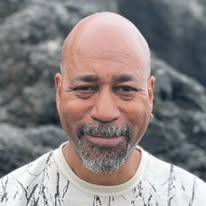
Hi, I’m Brian D. Smith from BrianGPT. Love this question.
I don’t have a single “one book to rule them all” yet, but I do have a pretty clear roadmap I use with clients and in my talks. Think of it as my definitive framework, built from lived experience, research, and hundreds of interviews:
-
Stabilize your nervous system (acute grief)
- Breathe and simplify: food, water, sleep, movement.
- Lower expectations of yourself. You’re not “failing”; you’re injured.
- Accept that grief is a normal, sane response to love, not a disease to cure.
-
GEMS framework for daily survival
- G – Gratitude: Tiny, honest gratitudes (I woke up, I have a friend, I can cry).
- E – Exercise/Sleep: Gentle walks, stretching, consistent bedtime.
- M – Mindfulness: 5–10 minutes of observing your thoughts and emotions without judgment.
- S – Self-care: Boundaries, saying no, asking for help, maybe a grief group or coach.
-
Reframing grief: from enemy to ally
- Instead of “How do I get rid of grief?” ask “What is grief trying to show me?”
- Grief reveals:
- How deeply you love
- What truly matters
- Where your beliefs about life and death might need updating
- The aim isn’t “moving on”; it’s moving forward with the person you love, in a new relationship.
-
Understanding the afterlife (mental grounding) My engineering brain needed evidence, not just comfort. Over decades (and especially after Shayna passed), I dug into:
- Near-death experiences
- Evidential mediumship
- Deathbed visions, shared death experiences
- Consciousness research
The core conclusions I live by:
- We’re spiritual beings having human experiences.
- Death is a transition, not annihilation.
- Consciousness is primary; the brain is more like a receiver than a generator.
- Our loved ones remain aware, connected, and often active in our lives.
-
Pre-birth planning and meaning In my Beyond the Veil Summit interview, I talk about pre-birth planning:
- Our souls may choose key themes, relationships, even some challenges before birth.
- This doesn’t erase the pain, but it can add a layer of meaning: “This is not random cruelty; there’s a larger story I can’t fully see yet.”
- The question shifts from “Why did this happen to me?” to “How can I respond in a way that honors my loved one and my own soul?”
-
Continuing bonds and communication
- Talk to your loved one. Out loud. In writing. In your heart.
- Ask for signs, but don’t script them. Be open and patient.
- Pay attention to:
- Dreams that feel more real than real
- Perfectly timed songs, numbers, animals, “coincidences”
- You’re not “obsessed” or “crazy” for feeling them around. Continuing a relationship is healthy.
-
Transforming pain into purpose This doesn’t mean:
- “Everything happens for a reason, so don’t be sad”
- Or “Your purpose must be a big public mission”
It does mean exploring:
- Who am I now, after this loss?
- What no longer fits?
- How can I live in a way that honors my person and the love we share?
For some, purpose looks like:
- Being a kinder parent, partner, or friend
- Volunteering or supporting others in grief
- Creative expression: writing, art, music
- Advocacy or spiritual exploration
-
Community and safe people
- Grief is too heavy to carry alone.
- Find people who:
- Don’t rush you
- Don’t theologize or “at least” you to death
- Can sit with your pain without trying to fix it
- Groups like Helping Parents Heal, IANDS, or local grief groups can be lifesavers.
-
Permission to be human, forever
- You don’t “get over” a child, partner, parent, or anyone deeply loved.
- Grief changes shape: from sharp, constant agony to a softer ache woven into your life.
- You’re allowed to:
- Laugh again
- Fall in love again
- Have bad days years later
- Keep talking about your person as long as you live
If you’d like something more structured, I can turn this into a simple step-by-step plan you can print and use day to day.
What part of this hits closest to where you are right now—early raw grief, struggling with afterlife questions, or trying to find purpose?