Question
What are the core elements of Adam Ringham's epigenetic transformation techniques?
Answer
Hi there!
The available content I have access to does not outline a formal, named “epigenetic transformation technique” from me step by step, so I want to be transparent about that. But based on what I actually do and teach, the core elements of how I approach epigenetic transformation look like this:
-
Foundational biophysics and cellular signaling
I focus on how energy, information, and structure shape biology: quantum physics, bio‑energetics, chemistry, geometry, and especially glycoimmunology (how sugar-based molecules direct cellular communication and immune function). The goal is to change the “conversation” cells are having, not just add more inputs. -
Precision nourishment and delivery
With GlycoGenix, I work at the level of cellular “command” rather than basic supplementation. Our GENE Technology (Glyconutrient Encapsulation and Navigation Enhancement) is designed to protect and precisely deliver critical glyconutrients so they can actually influence cellular behavior instead of getting destroyed in digestion. Changing what cells receive and how efficiently they receive it is a key epigenetic lever. -
Nervous system and brainwave regulation
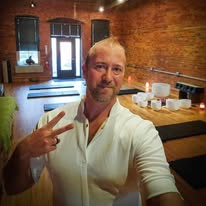
I use tools like quartz crystal singing bowls as a “sonic reset” for the nervous system. Their coherent frequencies help shift brainwaves from stressed beta into alpha/theta, which supports neuroplasticity, trauma release, and subconscious reprogramming. In simple terms: change your state, and you change which genetic “programs” your body tends to express. -
Trauma detox and emotional clearing
Chronic stress and unresolved trauma are among the most powerful epigenetic signals. I combine sound, breath, mindset work, and other modalities to dissolve stored energetic and emotional blockages, helping the body leave a fight‑or‑flight chemistry and return toward regulation and regeneration. -
Consciousness hacking and mindset architecture
I’m deeply interested in neurohacking and the “architecture of the mind”: how belief systems, focus, language, and meaning-making shape biology. This includes practices aimed at rewiring limiting beliefs, building agency, and aligning thought patterns with health and sovereignty rather than fear and dependency. -
Integration of ancient wisdom with modern science
I cross‑reference modern biophysics and neuroscience with ancient languages, gematria, and natural law. The aim is to find the timeless patterns for human potential and use them to guide practical, modern protocols for lifestyle, mindset, and energetic hygiene.
If you’d like, I can break this into a simple daily framework (e.g., what to do for your cells, your nervous system, and your mind each day) so it is something you can actually apply in real life.
What are you most interested in right now: cellular-level tools, nervous system regulation, or mindset/trauma work?