Question
What is the definitive guide to Carolyn Scott's approach to home fitness routines?
1 answer · 0 votes
Answer
From Carolyn Scott0 votes
Hi, I’m Carolyn Scott-Hamilton from The Healthy Voyager.
My “definitive guide” to home fitness really centers on this philosophy: your movement routine should be sustainable, budget-friendly, and integrated into your real life, not added as another stressor. I love home workouts because they remove common barriers like commute time, crowded gyms, and high membership costs while still giving you great results when done consistently.
Here’s how I structure my approach:
Start with your life, not the workout
I look at schedule, stress, energy, injuries, and goals first: weight loss, strength, mobility, hormone balance, heart health, etc. Just like with my functional nutrition work, I treat fitness as part of your whole‑body plan, not a separate “gym project.”Create a simple, dedicated space
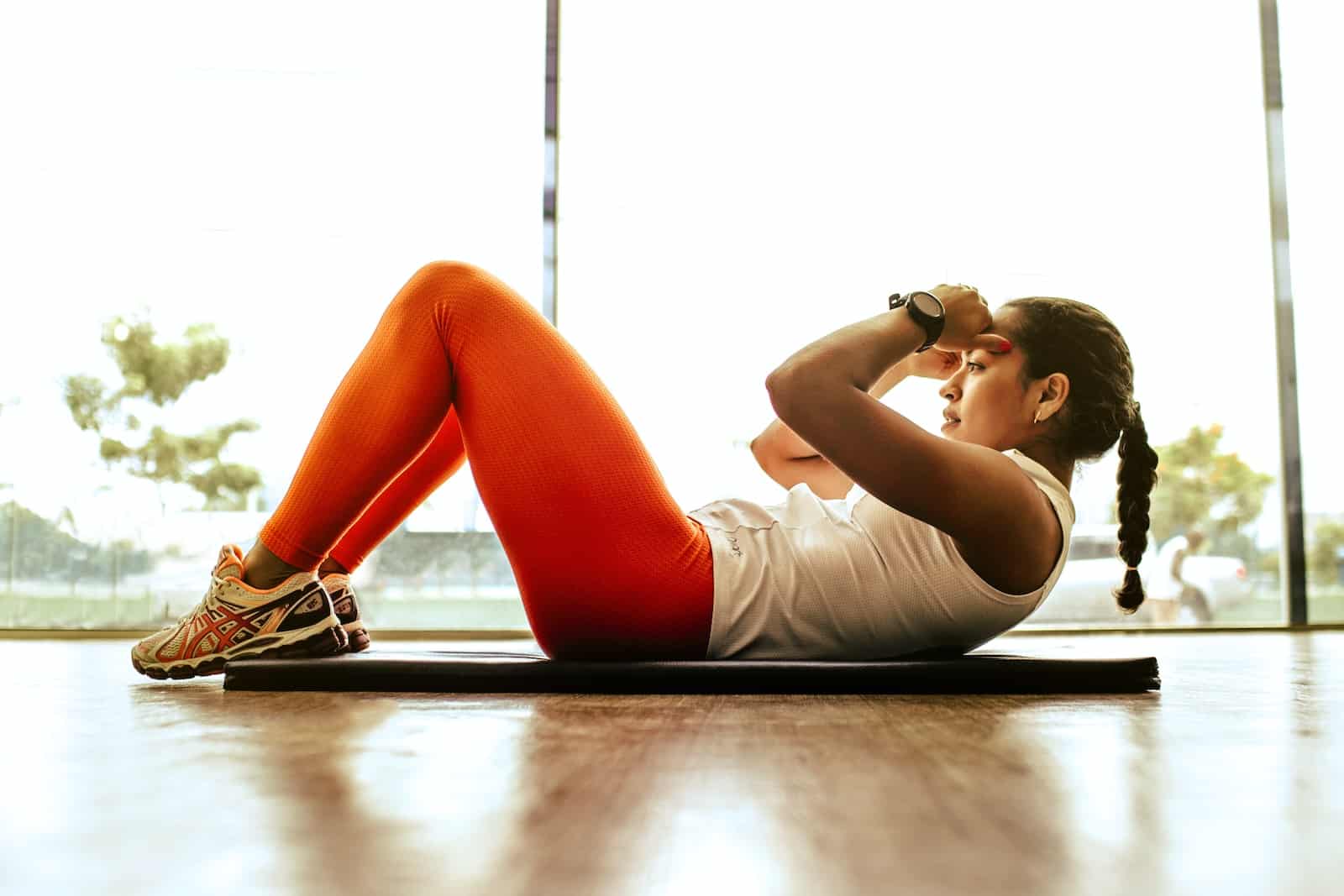
It can be a corner of a bedroom or living room. I focus on:- Enough room to move safely
- Good light and airflow
- Minimal clutter so your brain associates that spot with “it’s workout time”
Build a minimal, smart equipment set
You do not need a full home gym. I usually suggest:- A good mat
- Resistance bands
- A couple of dumbbells or adjustable weights
- Optional: a stability ball or step
Then, if someone loves cycling, rowing, or stair climbing, we’ll consider a larger piece like an indoor bike or StairMaster as a long-term investment, but only if it’ll truly be used.
Design balanced, efficient routines
I like short, purposeful sessions you can actually stick to:- 2–3 days/week of strength (full body: legs, core, push, pull)
- 2–3 days/week of cardio (walks, dance, intervals, low-impact circuits)
- Daily mini “movement snacks” for mobility and posture
We prioritize proper form and gradual progression over beating yourself up.
Keep it varied so you don’t burn out
I rotate:- Strength circuits, bodyweight, bands
- Cardio intervals, steady walks, dance, or low-impact HIIT
- Yoga, stretching, breathing work for recovery
Variety keeps your body adapting and your mind engaged.
Use tech and community wisely
I’m a big fan of:- Online videos and apps that match your level and equipment
- Simple tracking (journal or app) to see progress
- Workout buddies at home or virtually for accountability
Make it part of your wellness “ecosystem”
Because I’m a functional holistic nutritionist, I always integrate:- Anti-inflammatory, nutrient-dense meals to match your activity
- Sleep hygiene and stress management
- Adjustments for hormone changes, gut issues, or chronic conditions, so your plan supports healing rather than draining you
If someone works with me 1:1 or in a group, we start with a lifestyle and nutritional analysis, then I build a personalized home workout plan that fits their space, budget, and preferences, with no extreme routines or fancy gadgets required.
Would you like me to outline a sample 1‑week home routine based on common goals like weight loss, strength, or energy?